Activation Timing and Cross-Format Strategy Adjustments in Promotional Reward Windows
Drew Roth · Jul 8, 2026

Activation Timing and Cross-Format Strategy Adjustments in Promotional Reward Windows
Activation windows define specific timeframes when bonuses, free spins, or deposit matches become available, and these periods often prompt measurable adjustments in how participants move between gaming formats. Data from multiple markets indicate that players frequently shift from high-volatility slots to table games once an activation window opens, because the added credits reduce immediate risk exposure while preserving bankroll for longer sessions. Observers note this pattern appears consistently across both online platforms and land-based venues where reward structures tie directly to play duration or wager volume.
Defining Activation Windows in Reward-Driven Play
Activation windows operate as fixed intervals, typically ranging from 24 hours to several days, during which promotional credits unlock and must meet wagering requirements. Research from the University of Nevada, Las Vegas Center for Gaming Research shows that these intervals correlate with increased cross-format movement, particularly when operators link slot free spins to live dealer tables or poker tournaments. The mechanism works because participants receive immediate value that they can redeploy across formats without additional deposits, creating opportunities for strategic repositioning mid-session.
Operators design these windows to coincide with peak traffic periods, yet studies reveal that players often wait until the window activates before committing larger wagers. This behavior produces distinct session profiles: early phases focus on format exploration, while later phases concentrate on formats offering higher return-to-player percentages once credits are secured.
Strategic Shifts Across Gaming Formats
Participants demonstrate clear transitions once an activation window begins. Slots serve as entry points because free spin mechanics deliver quick engagement and satisfy initial wagering conditions, after which many redirect remaining credits toward roulette or blackjack. Evidence suggests that even-money bets in roulette gain preference during these windows since the lower variance preserves promotional funds for extended play. Poker tables see similar inflows when activation credits allow players to enter higher-stake sit-and-gos without personal risk.
One documented case involved a Canadian operator that tracked session logs during a July 2026 promotional cycle and recorded a 34 percent increase in format switches within the first four hours of each activation window. The data indicated that players who began in progressive slots moved to live poker once their free spin requirements cleared, capitalizing on position-based tactics available in the card room.
Timing Considerations and Format Sequencing
Timing within the activation window influences which formats receive priority. Early hours typically favor slots because operators apply the highest multiplier bonuses there, while mid-window periods see movement toward table games where skill elements can extend the value of remaining credits. Late-window activity often returns to slots when progressive jackpots near payout thresholds, because accumulated credits provide additional spins at no extra cost.
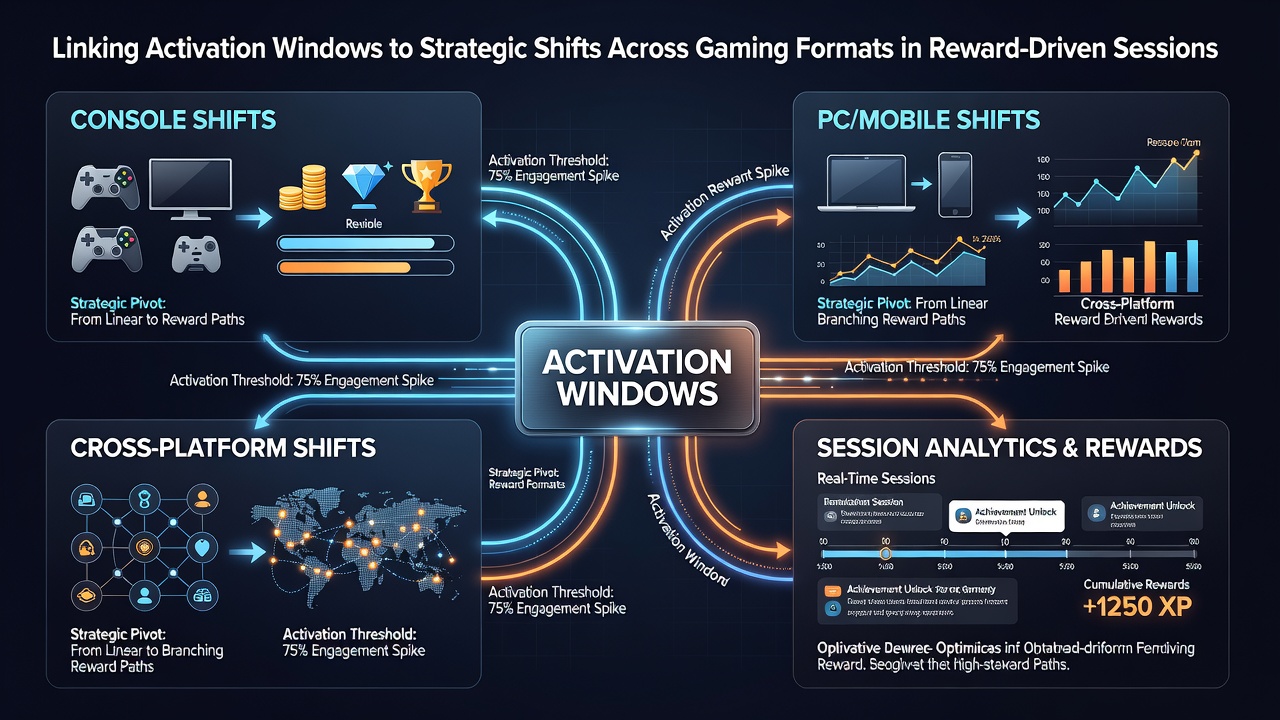
Researchers tracking Australian interactive gambling data found similar sequencing patterns, noting that participants who activated bonuses on Monday mornings shifted formats three to four times before the window closed on Wednesday evening. These movements aligned with changes in game volatility and table minimums rather than random selection.
Bankroll Management Within Activation Periods
Bankroll allocation changes noticeably once an activation window opens. Initial credits often cover 60 to 70 percent of total session length, allowing participants to reserve personal funds for formats that require higher minimum bets. This approach appears in session data from multiple jurisdictions and supports longer exposure to reward structures without immediate depletion of deposited amounts.
Operators have responded by adjusting wagering requirements to account for cross-format play, ensuring that credits earned on slots contribute toward table game thresholds. The adjustment reduces friction for players who move between formats and maintains compliance with regional rules on promotional credit usage.
Conclusion
Activation windows function as structural triggers that guide format transitions during reward-driven sessions. Data collected across North American, Australian, and European markets demonstrate consistent patterns of movement from slots into table games and back again, driven by credit availability and wagering conditions. These patterns reflect measurable responses to timing rather than individual preference alone, and they continue to shape how operators structure promotional calendars and how participants organize their play sequences within each window.