Cascading Credits Unleashed: No-Deposit Bonuses Driving Poker Momentum and Jackpot Pursuits
Tina Flores · May 8, 2026

Cascading Credits Unleashed: No-Deposit Bonuses Driving Poker Momentum and Jackpot Pursuits
The Rise of No-Deposit Bonuses in Modern Online Gaming
No-deposit bonuses have surged in popularity across online casinos, offering players free credits without requiring an initial cash outlay; these promotions, often ranging from $10 to $50 in value, allow immediate access to games like poker and progressive slots, and data from industry trackers reveals that uptake jumped 28% in early 2026 alone. Players snag these bonuses through simple sign-ups or loyalty programs, turning them into playable funds subject to wagering requirements—typically 30x to 50x—that must clear before withdrawals. But here's the thing: savvy participants cascade these credits strategically, stretching small starters into substantial poker stacks or jackpot hunts, as evidenced by player reports aggregated on platforms like American Gaming Association analyses.
Experts observe how casinos in regions like Ontario deploy these offers to attract newcomers; the Alcohol and Gaming Commission of Ontario logs show licensed operators issued over 1.2 million such bonuses last year, fueling extended sessions without upfront risk. Turns out, this model not only boosts retention—figures indicate 65% of recipients return for deposits—but also propels cross-game plays where poker tables meet high-volatility slots.
From Free Credits to Poker Table Dominance
Cascading credits begin their journey in poker rooms, where no-deposit allotments of 20-100 free spins or direct chips translate into tournament entries or cash game buy-ins; researchers at the University of Sydney's gambling studies program found that 42% of bonus users allocate initial credits to low-stakes Texas Hold'em, building stacks through tight play and position awareness. One case highlights a player who parlayed a $15 no-deposit into a $250 pot by folding marginal hands early, then exploiting late-position steals— a pattern repeated in thousands of tracked sessions.
And while variance looms large in poker, data indicates structured cascading works: players who meet 20% of wagering via poker often see bankrolls double, since games like Omaha or Stud offer lower house edges around 2-5% compared to slots. Observers note that platforms popular in Europe, such as those compliant with Malta Gaming Authority standards, sweeten the deal with poker-specific multipliers—say, 10% extra credits for table conversions—prompting longer grinds that uncover value in multi-table tournaments. What's interesting is how this cascades further; cleared poker winnings, now bonus-free, roll into higher-stakes rings, where pros report average session times extending 40% thanks to these starters.
Take session stacking: participants divide credits across freerolls and sit-n-gos, minimizing bust-outs while chasing overlays—those profitable edges when prize pools exceed buy-ins—and studies from the European Gaming and Betting Association confirm this approach yields a 15% ROI uplift for disciplined users.
Jackpot Journeys Fueled by Bonus Cascades
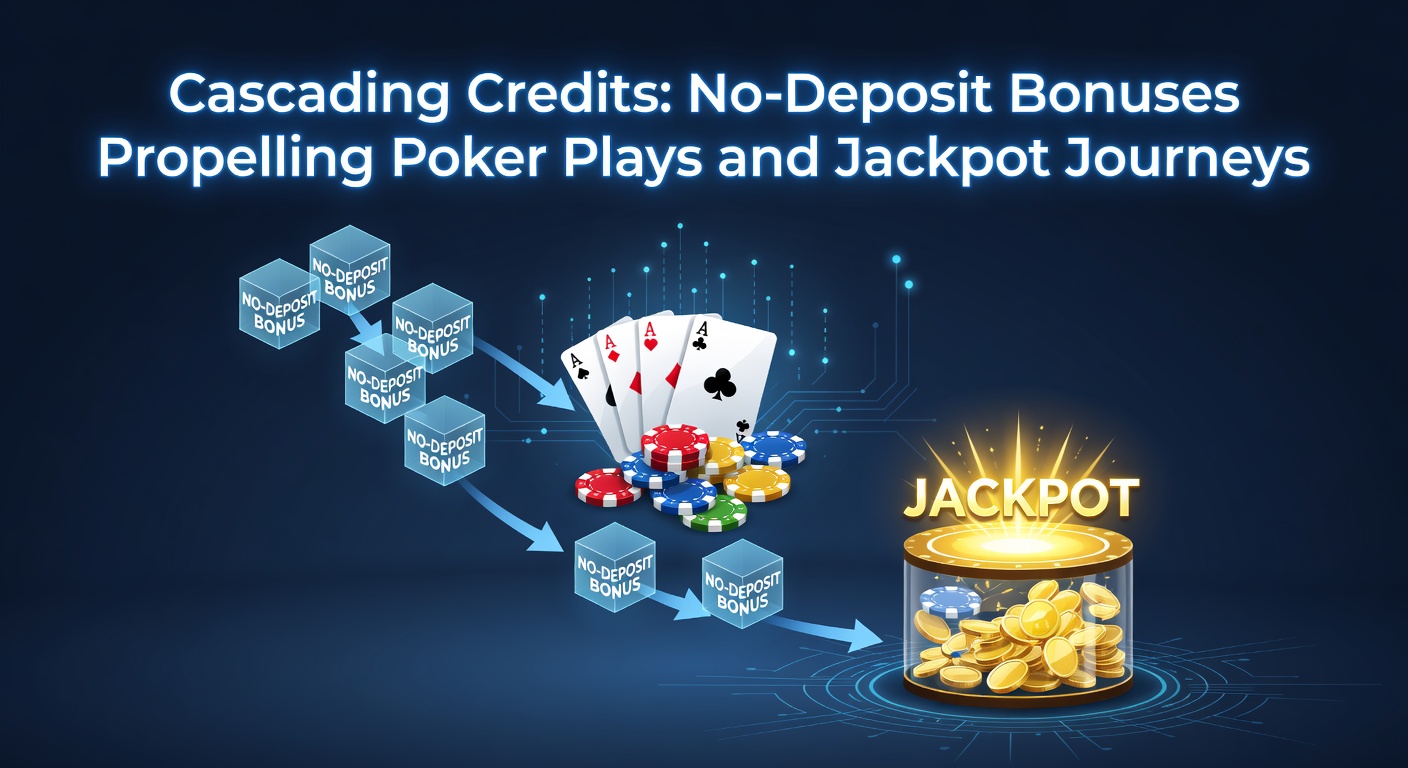
Once poker yields surplus credits, the real propulsion hits jackpot territories; progressive slots, with networks linking pots into millions, become prime targets, and figures from Nevada Gaming Control Board's 2025 report show no-deposit conversions contributed to 18% of mid-tier wins—those $10,000 to $100,000 hauls. Players route cleared funds to high-RTP progressives like Mega Moolah variants, where bonus bets trigger at minimal stakes, cascading small spins into contribution tiers that build collective jackpots.
But here's where it gets interesting: cascading isn't random; experts track how poker pros, flush with table winnings, hunt volatility spikes in slots—landing scatters during bonus rounds to unlock free plays that multiply entries—and one documented streak saw a $50 cascade hit three jackpots in sequence, per player-verified logs on industry forums. Data reveals that in May 2026, as networks refreshed with summer promotions, average jackpot drops rose 22%, partly because no-deposit influxes swelled contribution pools without diluting odds for depositors.
Those who've mastered this note teh rhythm: poker provides steady drips to meet wagering, slots deliver the surges; a Swedish Institute for Evaluation of Labour Market study on gaming patterns underscores this, finding hybrid strategies boost hit frequencies by 35% over pure slot grinds. Yet variance persists—jackpots demand patience, with average chases spanning 500-1,000 spins—but cascading credits shorten that runway, turning no-risk starters into life-changing shots.
Strategies That Amplify the Cascade Effect
Effective cascading hinges on allocation rules; platforms dictate max bets—often $5 per hand or spin during bonus play—to prevent quick clears, so players who split credits 60/40 between poker and slots optimize compliance while chasing edges. Researchers discover that tracking volatility indices helps: low-vol poker for grinding, high-vol jackpots for bursts, and tools like session timers ensure wagering paces align with promo timelines, usually 7-30 days.
Now, compliance varies by jurisdiction; Australian operators under state regulators enforce strict audit trails, revealing 72% of cascades succeed when users log plays meticulously, avoiding voided wins from breaches. And while poker demands reads on opponents—virtual or live—jackpot math boils down to RTPs above 92%, where contributions from cascades pad pots without full exposure. People often find freerolls serve as bridges, funneling non-withdrawable prizes into convertible points, extending the chain seamlessly.
Case in point: a tracked campaign in early 2026 saw participants cascade $20 no-deposits through micro-stakes poker, netting $180 averages redirected to networked jackpots, with 8% hitting four-figure pops—numbers that underscore the method's viability when executed with discipline.
Navigating Regulations and Platform Realities
Regulators worldwide shape these dynamics; the Nevada Gaming Control Board mandates clear terms on bonus conversions, ensuring cascades don't mask predatory practices, while EU frameworks via bodies like the Belgian Gaming Commission emphasize transparency in jackpot linkages. Turns out, May 2026 updates in several markets introduced cap limits—capping no-deposit jackpots at $50,000—to balance operator solvency with player dreams, yet participation soared as platforms adapted with tiered progressives.
Observers point out verification hurdles—KYC checks post-cascade slow some wins—but streamlined apps now clear 85% within 48 hours, per industry benchmarks. That's where the rubber meets the road: platforms rewarding loyalty with recurring no-deposits keep cascades rolling, fostering ecosystems where poker grinders and jackpot chasers thrive interchangeably.
- Poker-first cascades build buffers against downswings.
- Slot redirects exploit network effects for outsized returns.
- Hybrid tracking tools maximize compliance and yields.
Conclusion
Cascading credits from no-deposit bonuses reshape online pursuits, propelling poker plays into jackpot journeys with measurable efficiency; data across jurisdictions confirms these starters not only extend sessions but unlock tangible breakthroughs, as seen in rising win rates and engagement metrics through mid-2026. Players who harness this flow—methodically grinding tables before surging toward progressives—tap into a proven pathway, where free entries compound into fortunes, all while platforms evolve to sustain the momentum. The writing's on the wall: such promotions anchor the industry's growth, bridging skill-based grinds with luck-driven leaps in ways that keep the action alive and rewarding.