Charting Tiered Reward Mechanisms Across Integrated Digital Gaming Networks
Jakob Schwarz · Aug 2, 2026

Charting Tiered Reward Mechanisms Across Integrated Digital Gaming Networks
Data from industry reports indicates that unified gaming ecosystems combine rewards across slots, table games, and live dealer formats into single account structures, and operators in August 2026 continue to expand these systems to retain participants through progressive tiers that unlock additional credits, multipliers, and exclusive events based on cumulative activity rather than isolated sessions.
Core Components of Layered Incentive Designs
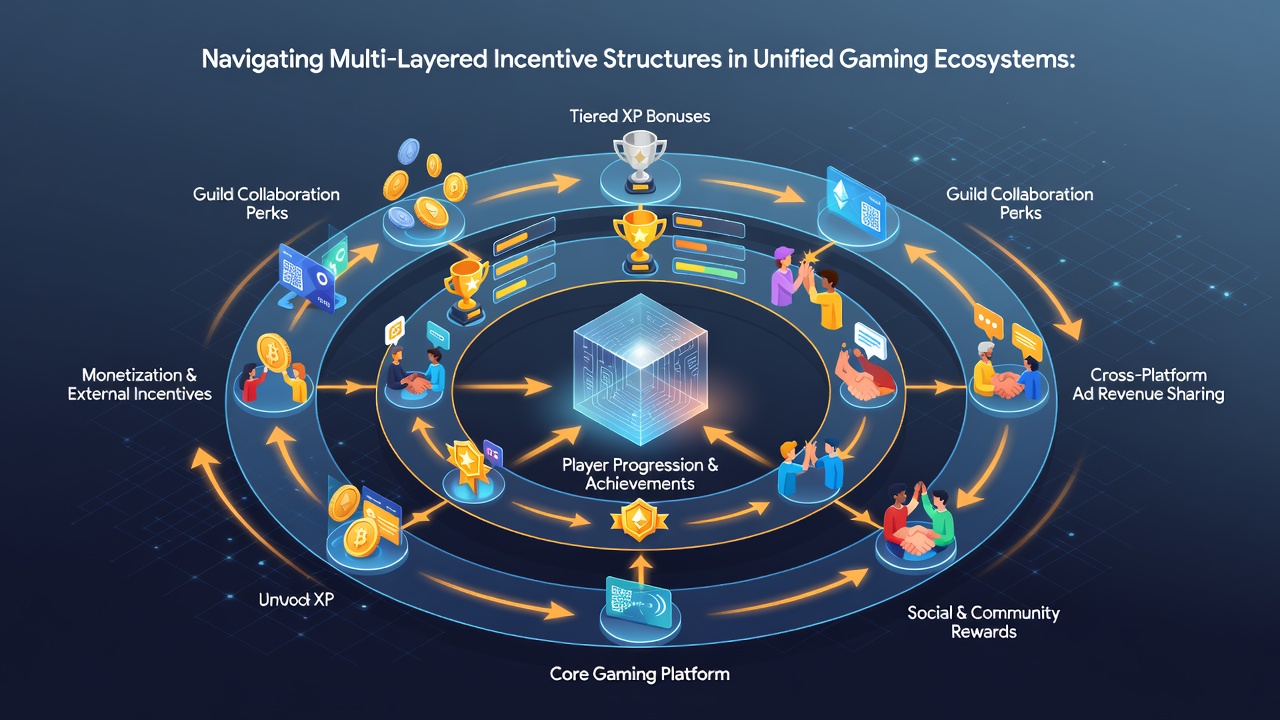
Unified platforms organize incentives into base, intermediate, and premium strata where base levels grant standard deposit matches while intermediate tiers add free play allocations and premium access includes personalized tournament entries, and researchers at the University of Nevada Las Vegas Center for Gaming Research have documented how these strata interact through shared loyalty ledgers that track wagers across game categories without resetting daily or weekly.
Points accumulation follows formulas that weight different activities, such as higher multipliers for table game participation compared to automated reels, yet all feed into one visible balance that users monitor through dashboard interfaces, and this consolidation reduces fragmentation that previously required separate tracking for each title or provider.
Platform Integration and Cross-Game Mechanics
Operators link incentive layers through application programming interfaces that sync real-time data between mobile applications, desktop clients, and land-based kiosks, allowing a single wager to advance multiple progress bars simultaneously, and figures from the Nevada Gaming Control Board show that such linkages increased average session duration by measurable margins in states where multi-platform licenses were granted prior to 2026.
One implementation example involves a deposit bonus that converts into game-specific credits which then convert again into loyalty points usable for live events, creating a chain where value persists across formats while compliance rules require clear disclosure of conversion rates at each step.
Regulatory Influences on Structure Transparency
Authorities in multiple jurisdictions require operators to publish tier qualification thresholds and redemption values in accessible formats, and data released by the Australian Communications and Media Authority in early 2026 highlighted that standardized reporting templates reduced disputes over unredeemed balances by documenting exact point-to-cash ratios before users commit activity.
These requirements also extend to expiration policies, where unused incentives at lower layers roll into higher ones under defined conditions, preventing abrupt loss while maintaining platform control over liability calculations.
User Navigation Strategies Observed in Practice
Participants often prioritize activities that yield compound returns, such as completing daily challenges that feed into weekly leaderboards which themselves contribute to monthly tier evaluations, and industry analyses reveal that those who map their play patterns against published payout tables achieve faster advancement without increasing total wager volume.
Systems in August 2026 incorporate predictive tools that project future tier status based on current momentum, allowing users to adjust participation across game types before thresholds close, and such features appear in major networks following updates that aligned with new interoperability standards.
Conclusion
Multi-layered incentive structures in unified gaming ecosystems rely on synchronized data flows, clear conversion rules, and regulatory oversight that together shape how rewards propagate across platforms, and continued documentation from research institutions and government agencies supports ongoing refinement of these models through 2026 and beyond.