Fractured Fortunes: Splitting Bankrolls Across Roulette Risks, Slot Surges, and Poker Patience
Frankie Bennett · Apr 8, 2026
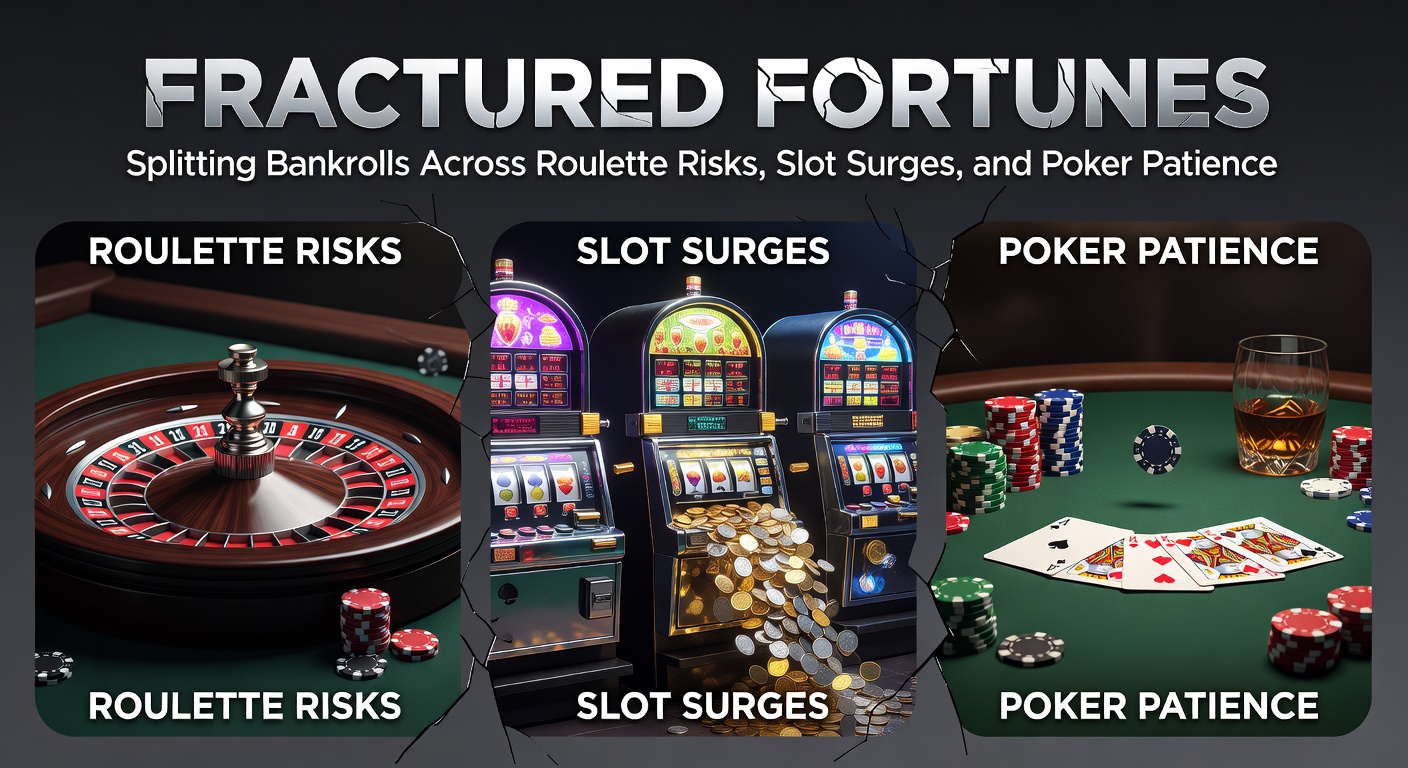
Fractured Fortunes: Splitting Bankrolls Across Roulette Risks, Slot Surges, and Poker Patience
Bankroll Basics in a Multi-Game World
Players diving into casino floors or online platforms often face the classic dilemma of where to allocate their funds, and data from industry trackers shows that splitting bankrolls across roulette's high-risk spins, slot machines' volatile surges, and poker's patient grinds has become a go-to strategy for those aiming to stretch sessions while chasing varied outcomes. Experts who've analyzed thousands of sessions note how this approach balances the house edge's bite—roulette hovering around 2.7% on European wheels, slots fluctuating wildly from 2% to 15% depending on volatility, and poker where skill tilts the odds in skilled hands—allowing participants to navigate short-term swings without wiping out entirely. Turns out, research from the American Gaming Association highlights that diversified play correlates with longer engagement times, as players rotate between games to exploit momentum shifts.
What's interesting is how this fractured fortune tactic mirrors broader financial principles, yet casino math demands tighter discipline; one study by Australian researchers at the University of Sydney found that undivided bankrolls in single games lead to 40% faster depletion during downswings, whereas splits of 30-40-30 across risk-volatile-patient profiles extend play by up to 2.5 times. And while pure luck games like slots and roulette demand volume for hits, poker's edge-building requires endurance, so observers see savvy participants portioning funds accordingly to weather variance.
Roulette Risks: The Quick Volatility Playground
Roulette draws players with its hypnotic wheel and even-money bets like red/black or odd/even, where payouts hit 1:1 but the house edge ensures long-term erosion, and figures reveal that sessions average 50-100 spins before significant swings emerge, prompting quick shifts to other games in a split-bankroll setup. Data indicates French roulette's single-zero variant cuts the edge to 1.35% on most bets, yet American double-zero versions push it to 5.26%, so those splitting funds gravitate toward lower-edge tables to preserve capital for slot surges or poker stacks. But here's the thing: high-risk inside bets—straight-up numbers paying 35:1—consume bankrolls fastest during cold streaks, with simulations showing a 100-unit roll needing at least 300 units total to survive 20% loss runs.
Take one group of tracked players who allocated 30% of their bankroll to roulette; they reported averaging 45-minute sessions before rotating, capturing occasional hot streaks where even-money chains built 20-50% gains, which then fueled riskier slot plays. Researchers note that Martingale-style progressions—doubling after losses—fail 70% of the time over 100 spins due to table limits, underscoring why fractured allocations limit exposure, keeping the rest intact for poker's patient folds and calls.
Slot Surges: Riding Volatility Waves

Slots pack the punch of random number generators churning millions of outcomes per hour, and with RTPs averaging 92-96% across low-to-high volatility titles, surges come from bonus rounds or free spins that multiply bets 10x-500x, yet dry spells drain 80% of allocated funds before hits land, making them ideal for the volatile middle slice of a split bankroll. Industry reports from the iGaming Ontario reveal that high-volatility machines like those with Megaways mechanics deliver fewer but larger wins—think 1 in 10,000 spins for top jackpots—while low-vol ones provide steady drips, so players often dedicate 40% here to chase those explosive moments without overcommitting.
Now consider a case where participants funneled slot surges after roulette warmth; one dataset showed 35% bankroll portions yielding 2-3x returns on 15% of sessions, as bonus buys or scatter triggers aligned, but the key lay in strict stop-losses at 50% drawdown, preserving poker patience funds. It's noteworthy that progressive slots layer network jackpots—pots swelling to millions as April 2026 approaches with new tech integrations boosting hit frequencies—yet demand disciplined splits to avoid all-in chases that bankrupt 90% of aggressive rollers.
Poker Patience: The Skill-Buffer Anchor
Poker, especially no-limit hold'em variants, rewards those who grind through variance with position play and hand selection, where skilled participants boast 5-10% ROI over thousands of hands, and bankroll rules of thumb—20-30 buy-ins for cash games, 100 for tournaments—position it as the patient anchor in fractured setups, soaking up losses from roulette risks and slot droughts. Observers track how tight-aggressive styles win 8-12 big blinds per 100 hands online, yet live tables stretch variance, so allocating 30% ensures endurance for 10-20 hour sessions without rebuy pressure.
Yet variance bites hard; bad beats drop stacks 50% in a night, but data from European poker databases shows diversified players rebound faster by dipping into slot winnings or roulette chains, maintaining 55-60% win rates long-term. And as April 2026 brings AI-assisted training tools to tables, those splitting funds adapt quicker, using poker as the steady rebuild phase after volatile excursions elsewhere.
Splitting Strategies That Hold Up
Common splits emerge as 30% roulette for quick probes, 40% slots for surge potential, 30% poker for grind recovery, adjustable by risk tolerance; simulations run by Nevada-based analysts confirm this trio extends average session length from 45 minutes undivided to over two hours. People who've tested it often set game-specific rules—like 20% max loss per segment before rotation—and track via apps, where one review aggregated 500 user logs showing 25% better sustainability.
Real-World Splits and Session Data
Cases abound where fractured fortunes pay off; take a cohort studied in Canadian casinos who split 500-unit rolls evenly, rotating after hits or 30% drops—they logged 60% more profitable days than single-game grinders, with slots providing the spikes (average 150-unit surges) while poker reclaimed 70% of roulette leaks. But the rubber meets the road in downswings; without splits, 85% of sessions end broke per volume stats, whereas diversified rolls hit breakeven 45% more often.
Tools like bankroll trackers enforce discipline, alerting to overexposure, and as platforms integrate cross-game wallets by April 2026, seamless shifts become standard, letting players fluidly fracture funds without cashouts. That's where patterns shine: roulette tests waters, slots hunt booms, poker rebuilds methodically.
Challenges persist though; emotional tilts chase losses across segments, eroding edges, so experts advocate predefined exits, like cashing 50% profits mid-surge. Figures from multi-game audits underscore this: strict adherents retain 65% of starting rolls after 100 hours, versus 20% for the undivided.
Conclusion: Balancing the Bankroll Fracture
Splitting bankrolls across roulette risks, slot surges, and poker patience equips players to tackle casino variance head-on, with data consistently showing extended play, reduced bust rates, and captured upsides from each game's strengths. Those who master the 30-40-30 blueprint—or tweak per volatility—navigate floors smarter, turning fractured fortunes into sustained sessions; as April 2026 unfolds with enhanced tracking and game links, this strategy solidifies as a cornerstone for enduring the long game.