Incentive Utilization Patterns Linking Slot Progressions with Table Game Position Tactics
Tina Flores · Jul 15, 2026
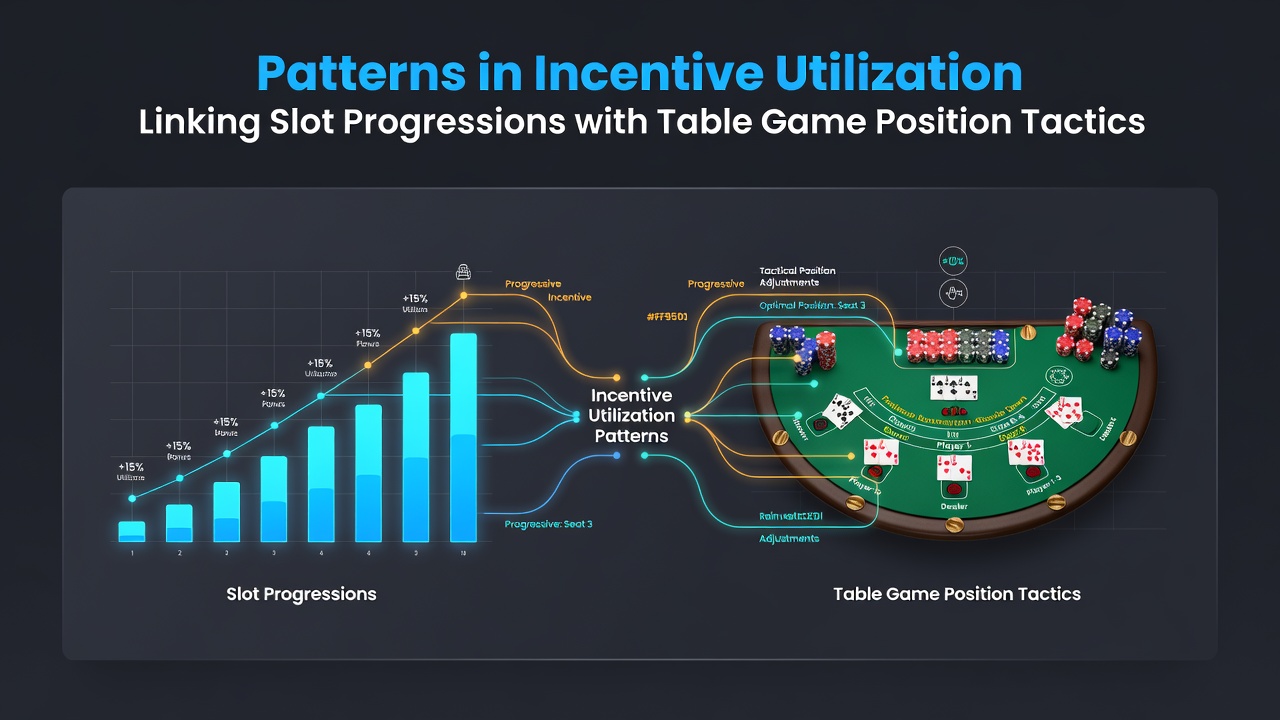
Incentive Utilization Patterns Linking Slot Progressions with Table Game Position Tactics
Patterns emerge when players apply incentives across slot machines and table games in coordinated sequences, where progress toward slot features connects directly with positional decisions at tables such as blackjack or poker. Data from multiple jurisdictions indicates these linkages appear in player tracking systems that record bonus redemptions alongside game-type transitions, creating measurable chains of activity that operators monitor through loyalty platforms.
Slot Progressions and Incentive Structures
Slot progressions involve incremental advancement toward bonus rounds, free spin triggers, or multiplier stages that accumulate based on wager volume and symbol combinations. Incentives such as deposit matches or loyalty points accelerate these progressions by extending playtime without additional outlay, and reports from the Nevada Gaming Control Board show that players who redeem such credits on high-volatility titles often reach feature thresholds 15 to 25 percent faster than cash-only sessions. Those who study machine payout tables note that certain progress bars reset or carry over depending on game rules, which influences when a player decides to shift remaining credits elsewhere.
Table Game Position Tactics and Their Incentive Ties
Position tactics at table games center on seating order, betting order, and information advantages, particularly in games like Texas Hold'em where late position allows observation of earlier actions before committing chips. Incentives intersect here when players convert slot-derived credits or points into table buy-ins, allowing them to maintain stack depth that supports aggressive positional plays such as stealing blinds or three-betting. Research from the University of Nevada, Las Vegas International Gaming Institute reveals that tracked accounts frequently move credits from slot sessions into table games within the same visit, with position-sensitive bets rising when incentive balances exceed baseline cash amounts.
Observed Linkages Across Game Types
Analyses of aggregated player data reveal recurring sequences where slot progressions serve as entry points that fund table game entries, while table results in turn replenish slot credits. One pattern documented in industry reports involves players completing a slot bonus round, converting a portion of winnings into table chips, then using positional edges to generate further funds that return to another slot machine. This cycle repeats because many platforms award tiered loyalty points that apply uniformly across game categories, reducing friction between transitions. Figures from the Australian Institute of Family Studies indicate similar cross-game movement patterns in venues that offer unified reward structures, though exact percentages vary by jurisdiction and player segment.
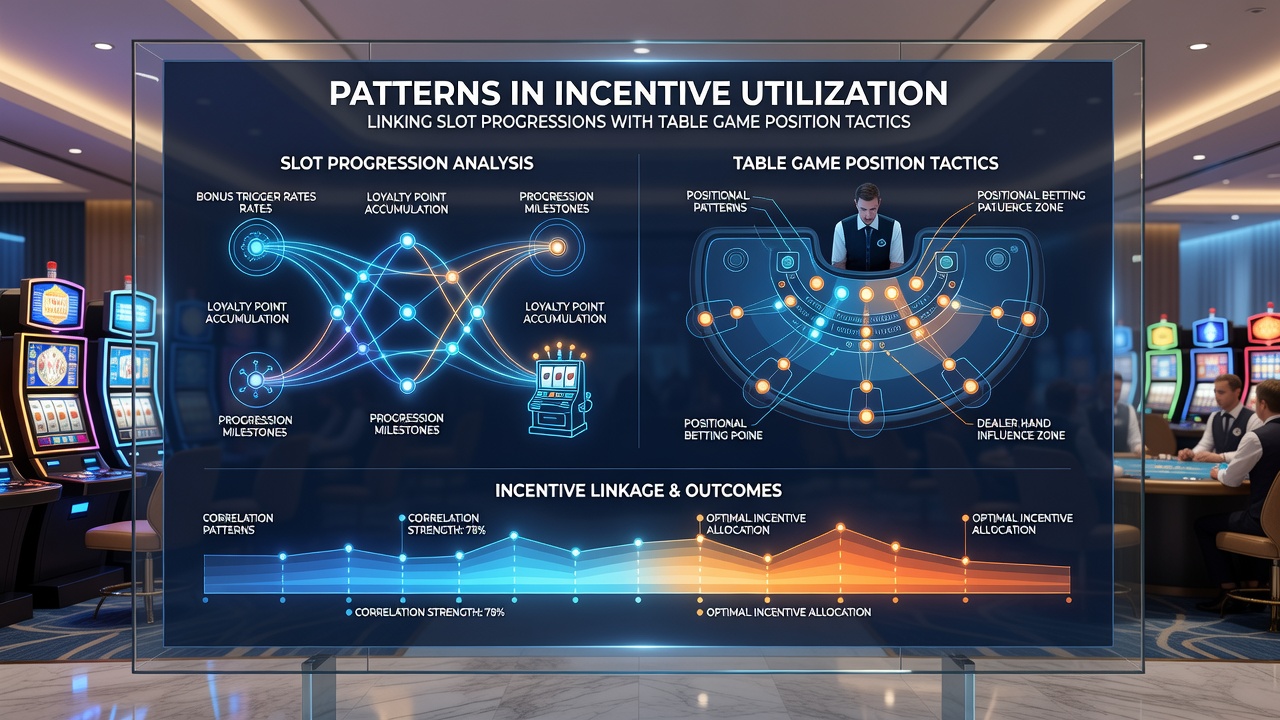
Another documented linkage appears when players time incentive redemptions to coincide with favorable table positions. Late-position seats become available more often during off-peak hours, and those who monitor floor traffic sometimes reserve slot progressions until such seats open. This synchronization extends overall session length because remaining incentive credits can support continued play without immediate additional deposits. Observers at major properties note that software dashboards flag these patterns for responsible gambling interventions when velocity exceeds certain thresholds.
Regulatory and Operational Context in Mid-2026
By July 2026 several North American and Australian regulators had updated data-sharing requirements that compel operators to report cross-game incentive flows at the account level. These rules aim to improve detection of unusual patterns without restricting legitimate play. Compliance filings from that period show increased granularity in how operators categorize redemptions that originate in slots yet apply at tables, creating richer datasets for pattern analysis. The changes also prompted software vendors to enhance real-time alerts when position-based table activity follows slot bonus events within defined time windows.
Practical Examples from Tracked Sessions
Consider a sequence where a player activates a slot bonus feature using loyalty points, receives additional spins, and converts resulting credits into a table minimum buy-in. Once seated in late position, the same player employs standard positional raises that preserve stack while incentive credits cover incidental bets. Should the table session generate a net gain, those funds return to a different slot title whose progression meter had been left partially advanced earlier. Multiple such loops appear in de-identified datasets released by the Responsible Gambling Council of Ontario, confirming that incentive utilization often bridges the two categories rather than remaining isolated within one.
Conclusion
Patterns in incentive utilization demonstrate consistent connections between slot progressions and table game position tactics across monitored environments. Regulatory updates through 2026 have increased visibility into these flows, while player tracking systems continue to record the sequences that link credit movements from one game type to another. The resulting data supports operational adjustments and informs how incentives are structured across gaming floors.