Layered Rotation Chains in Casino Play: Bridging Reel Volatility and Table Sequencing
Tina Flores · Jul 22, 2026
Layered Rotation Chains in Casino Play: Bridging Reel Volatility and Table Sequencing
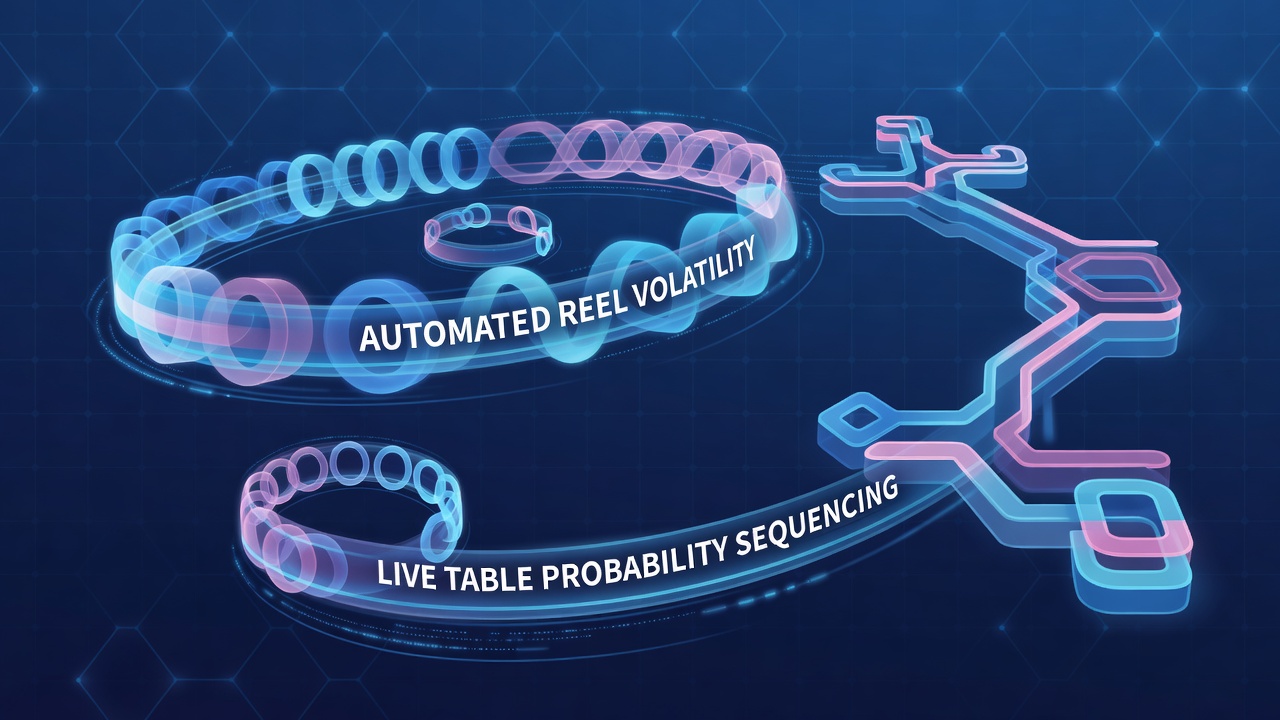
Layered complimentary rotation chains represent structured approaches that link automated reel mechanisms with live table probability models through sequential bonus applications and credit allocations. These systems operate by distributing complimentary spins or rounds across multiple game types where slot volatility metrics interface directly with table game sequencing patterns. Research from university studies shows that such chains allow players to adjust exposure levels between high-variance reel outcomes and more stable live dealer probabilities in coordinated sequences.
Automated reel volatility refers to the statistical variance in slot machine payout distributions while live table probability sequencing involves the ordered application of odds in games such as roulette and blackjack. Observers note that rotation chains create pathways where initial slot activations feed into subsequent table entries using shared credit pools. Data from industry reports in July 2026 reveals increased documentation of these layered methods among operators tracking cross-game player behavior across digital platforms.
Core Components of Rotation Chain Structures
Each layer within these chains consists of distinct phases that alternate between reel-based volatility triggers and table-based probability adjustments. The first layer typically initiates with complimentary reel spins that generate variable credit returns based on established volatility indexes. Subsequent layers transfer portions of those returns into live table sessions where sequencing rules determine bet sizing and outcome probabilities. According to figures from the Nevada Gaming Control Board analysts have recorded patterns where players extend session durations by alternating between these two formats through structured rotations.
Complimentary elements function as connectors that maintain continuity across game categories without requiring additional deposits at each transition point. Those who study these systems find that probability sequencing at live tables can offset reel volatility spikes when chains are calibrated to specific volatility thresholds. Evidence from gaming association publications indicates operators have implemented tracking tools to monitor how such rotations affect overall play metrics in multi-game environments.
Integration with Automated and Live Formats
Automated reel systems provide the volatility foundation while live tables supply sequenced probability frameworks that respond to real-time inputs. Rotation chains bridge these elements by allocating complimentary resources in measured increments that align with documented volatility curves. Studies conducted by research institutions demonstrate that players applying these methods often distribute bankroll segments across three to five rotation stages to balance short-term variance with longer probability sequences.

What's interesting is how July 2026 data from European gaming trade groups shows growing adoption of software modules designed to facilitate these transitions. Such modules calculate optimal rotation points based on current reel volatility readings and table probability tables. People familiar with operational reports note that these tools help maintain consistent engagement levels when chains move between automated and live formats without disrupting session flow.
Practical Application Patterns
Take one documented case where operators tracked rotation chains across digital slot lobbies and live dealer sections. The sequence began with volatility-adjusted free spins on high-variance reels then shifted credits into even-money table bets using pre-defined probability sequencing rules. Australian gambling research centers have published findings on similar patterns where layered chains reduced abrupt credit fluctuations by staggering entries into each game type.
These applications require precise calibration of rotation intervals to match individual volatility profiles with table game dynamics. Data shows that chains incorporating multiple complimentary layers achieve smoother transitions when operators update sequencing parameters according to aggregated performance statistics. Researchers discovered that geographic variations in regulatory environments influence how these systems are presented to players across different jurisdictions.
Measurement and Tracking Considerations
Effective implementation depends on continuous monitoring of volatility indexes alongside probability sequencing outcomes. Industry organizations have developed metrics that quantify chain efficiency through combined reel and table performance indicators. Figures reveal that July 2026 updates to tracking protocols included new variables for measuring cross-format rotation success rates in real time.
Those who've examined operational logs observe that layered chains benefit from periodic recalibration when external factors alter base game probabilities. External sources such as gaming association reports provide comparative data on how different regions approach these measurement frameworks. Another resource from university gaming studies details statistical models used to evaluate rotation chain outcomes across automated and live platforms.
Conclusion
Layered complimentary rotation chains establish direct connections between automated reel volatility and live table probability sequencing through structured credit and bonus distributions. Available data from multiple regulatory and research bodies documents ongoing development of these methods as operators refine integration tools. Continued examination of performance metrics in July 2026 and beyond will determine how these chains evolve within broader casino environments.