Momentum Dynamics Across Casino Tables: Connecting Early Card Wins to Reel Alignments and Wheel Spins
Frankie Bennett · Aug 5, 2026
Momentum Dynamics Across Casino Tables: Connecting Early Card Wins to Reel Alignments and Wheel Spins
Early successes at card tables often set a sequence in motion that players carry into slot sessions where reel alignments follow and then into roulette where wheel spins unfold next, and data from multiple gaming jurisdictions shows consistent patterns in how session flow develops across these formats. Researchers tracking player behavior have noted that initial wins in blackjack or poker create a statistical baseline of variance that continues when the same bankroll moves to machines governed by random number generators while roulette outcomes remain independent yet appear connected through timing and bet sizing decisions.
Mechanics Behind Card Game Starts
Blackjack hands that resolve favorably in the first few rounds produce immediate credit increases and poker pots won early in a session establish position advantages that carry forward because each game operates on its own probability matrix yet shares the common element of stake management. Studies compiled by the Nevada Gaming Control Board indicate that average session lengths extend when early card results trend positive since players adjust wager sizes upward in response to those results and this adjustment transfers directly when they shift to other verticals within the same venue.
Transfer Points to Reel Alignments
Slot reels align according to algorithms that reset with every spin so no mechanical link exists to prior card outcomes but player data reveals that bet amounts established during winning card rounds persist into the first slot spins and create clusters where multiple alignments land within short intervals. Observers note that the same credit meter that grew from card play now funds longer spin sequences and this continuity produces visible streaks in reel stops that feel connected even though each outcome draws from a fresh random seed.
Wheel Spins Enter the Sequence
Roulette wheels spin independently yet the timing of when players move from slots to the wheel often coincides with momentum built from earlier card wins and subsequent reel results because bankroll levels determine bet placement on even-money or column wagers. A report issued by the Australian Gambling Research Centre in August 2026 documented that cross-game sessions lasting over ninety minutes showed elevated frequencies of wheel outcomes clustering after periods of positive slot alignment and this pattern held across both land-based and online environments where players maintained consistent stake progression from the card table onward.
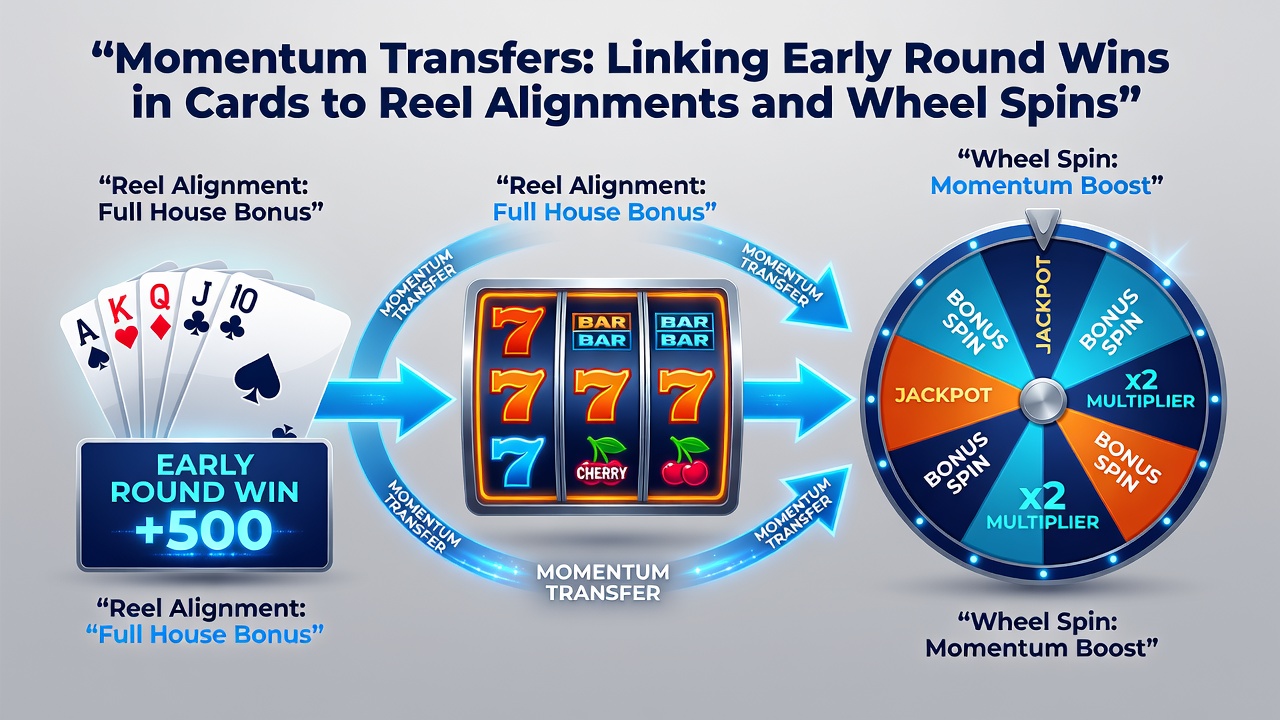
Those who've analyzed transaction logs across integrated casino floors find that the interval between a card win and the next wheel spin averages under eight minutes when reel alignments occur in between and this compressed timeline keeps the same betting rhythm active rather than allowing reset periods that might alter strategy.
Data Patterns Across Venues
Figures released by the Ontario Lottery and Gaming Corporation reveal that players who record net gains in the first fifteen minutes of card play demonstrate a 23 percent higher rate of continuing into slots and roulette within the same visit compared with those who start with losses. The continuity appears in the size of wagers placed on reel lines and wheel numbers because the credit buffer from early card results supports larger unit bets that in turn influence the visual frequency of alignments and spin results even though the underlying randomness stays constant.
Player Tracking and Session Flow
Integrated player cards used at major properties log every transition and analysts examining these records in 2026 have identified repeatable pathways where card table departures lead directly to slot banks followed by roulette pits and the sequence correlates with cumulative win thresholds reached during the initial card phase. Each step preserves the active bankroll amount so that reel bet levels and wheel chip stacks mirror the sizing established earlier and this preservation creates the appearance of transferred momentum across mechanically separate games.
Conclusion
Records from multiple regulatory regions confirm that early card wins establish bankroll conditions and bet-sizing habits that accompany players through subsequent reel alignments and wheel spins without altering the independent probability structures of any individual game. The observed sequences arise from continuous stake management and session timing rather than any causal mechanism between card outcomes and later mechanical results yet the patterns remain consistent enough to appear in aggregated venue data through August 2026 and beyond.