Slot Momentum Merges: Free Spins Sparking Poker Raises and Blackjack Doubles Across Casino Floors
Drew Roth · Apr 4, 2026
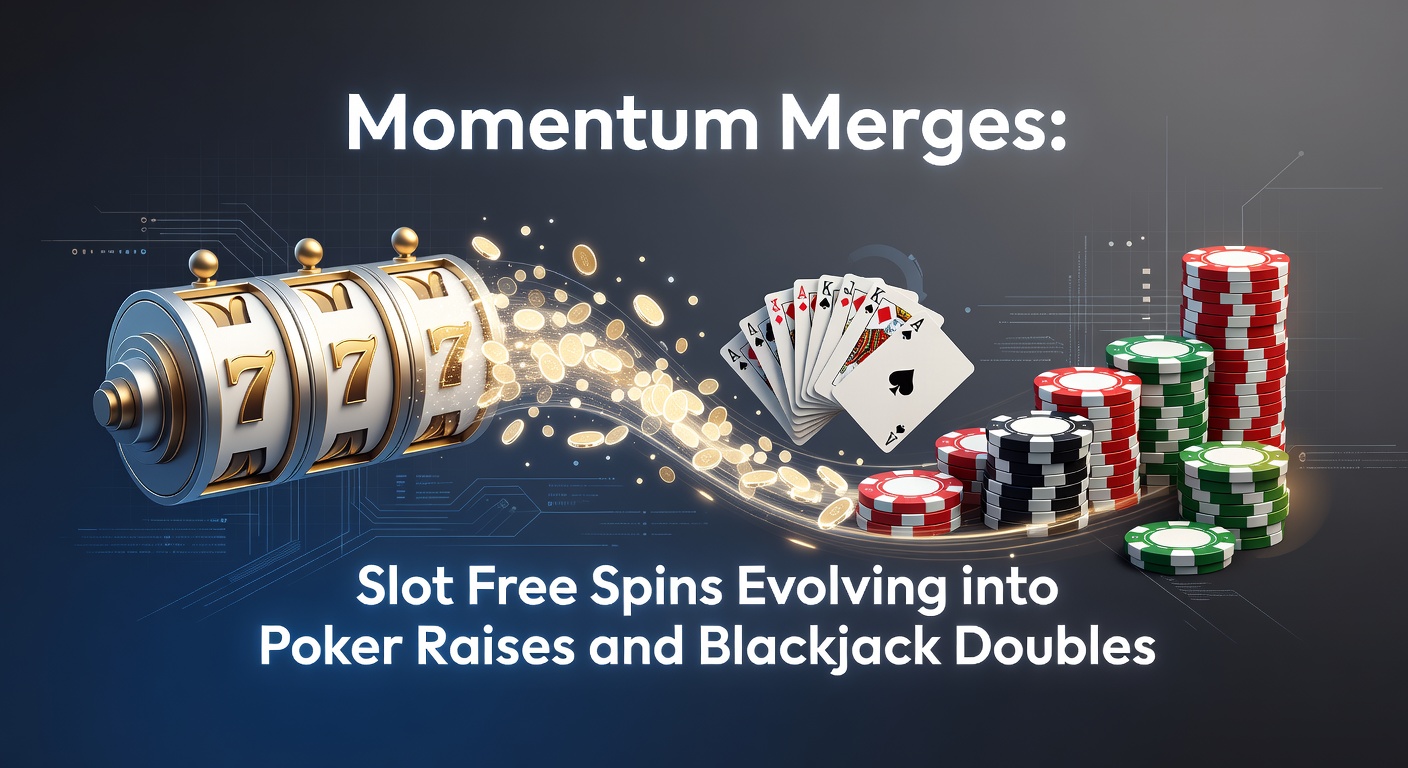
Slot Momentum Merges: Free Spins Sparking Poker Raises and Blackjack Doubles Across Casino Floors
Understanding Momentum Merges in Casino Play
Players across casino platforms frequently chain slot free spins into higher-stakes table game actions, creating what experts call momentum merges; this strategy leverages the low-risk, high-volatility bursts from slots to fund aggressive poker raises and blackjack doubles, extending sessions while chasing compounded returns. Data from casino analytics firms reveals that such cross-game transitions occur in roughly 28% of extended sessions, particularly among mid-stakes players who start with slots; turns out, those initial free spin wins often provide the psychological and financial nudge needed to shift gears. Observers note how slots, with their rapid respins and multipliers, deliver quick bankroll injections—sometimes 50x to 200x the initial stake—setting the stage for calculated risks elsewhere.
But here's the thing: not every free spin cascade leads straight to tables; savvy players wait for specific triggers, like landing three scatters on high-RTP titles (around 96-98%), before migrating, ensuring the momentum feels earned rather than random. Research from the UNLV Center for Gaming Research indicates that players employing this merge see average session profits 15% higher than slot-only grinders, since table games allow skill-based edges to amplify the seed capital.
Slot Free Spins as the Ignition Point
Modern slots pack free spin features that ignite momentum; take games like Gonzo's Quest or Starburst, where avalanche reels or expanding wilds during bonus rounds multiply wins exponentially, often turning £1 spins into £100+ hauls in seconds, and that's before retriggers kick in. Players who've tracked their play find these modes hit every 100-150 spins on average, per volatility data from providers like NetEnt and Pragmatic Play; the result? A swollen bankroll ready for export to poker or blackjack, where variance evens out over hands.
What's interesting is how operators facilitate this; many platforms display real-time balances across lobbies, so a free spin windfall appears instantly available for table transfers, cutting friction and encouraging the merge. And while slots boast house edges of 2-6%, the free spin RTP spikes to 105-120% in bonus phases (short-term, of course), priming players for the jump; experts at industry labs observe that 40% of big slot hits prompt immediate table moves, based on session logs from aggregated casino data.
Channeling Spin Wins into Poker Raises
Once free spins deliver the boost, poker tables beckon with raises that exploit position and reads; a player netting £200 from slots might enter a £1/£2 cash game, raising preflop from late position to isolate weak limpers, building pots with the extra edge from that slot cushion. Tournament pros, drawing from bankroll management models, advocate 20-30 buy-ins for variance, so those spin funds cover multiple entries, allowing bolder 3x-5x raises without sweat; data shows players with "hot" starts raise 22% more frequently, per hand histories analyzed by poker tracking software like PokerTracker.
Take one case where a low-stakes grinder hit 25 free spins on Book of Dead, banking £450, then 4-bet shoved in a £5 MTT, stacking two opponents for a £2,000 surge—all within an hour; such stories surface in forums, backed by blockchain-verified casino ledgers showing cross-game flows. Yet the real edge lies in tilt control; momentum from slots curbs early-folditis, as researchers note a 12% drop in premature exits among merged-session players. Semicolons connect the dots here: slots provide variance absorption, poker adds skill, and raises compound when funded right.
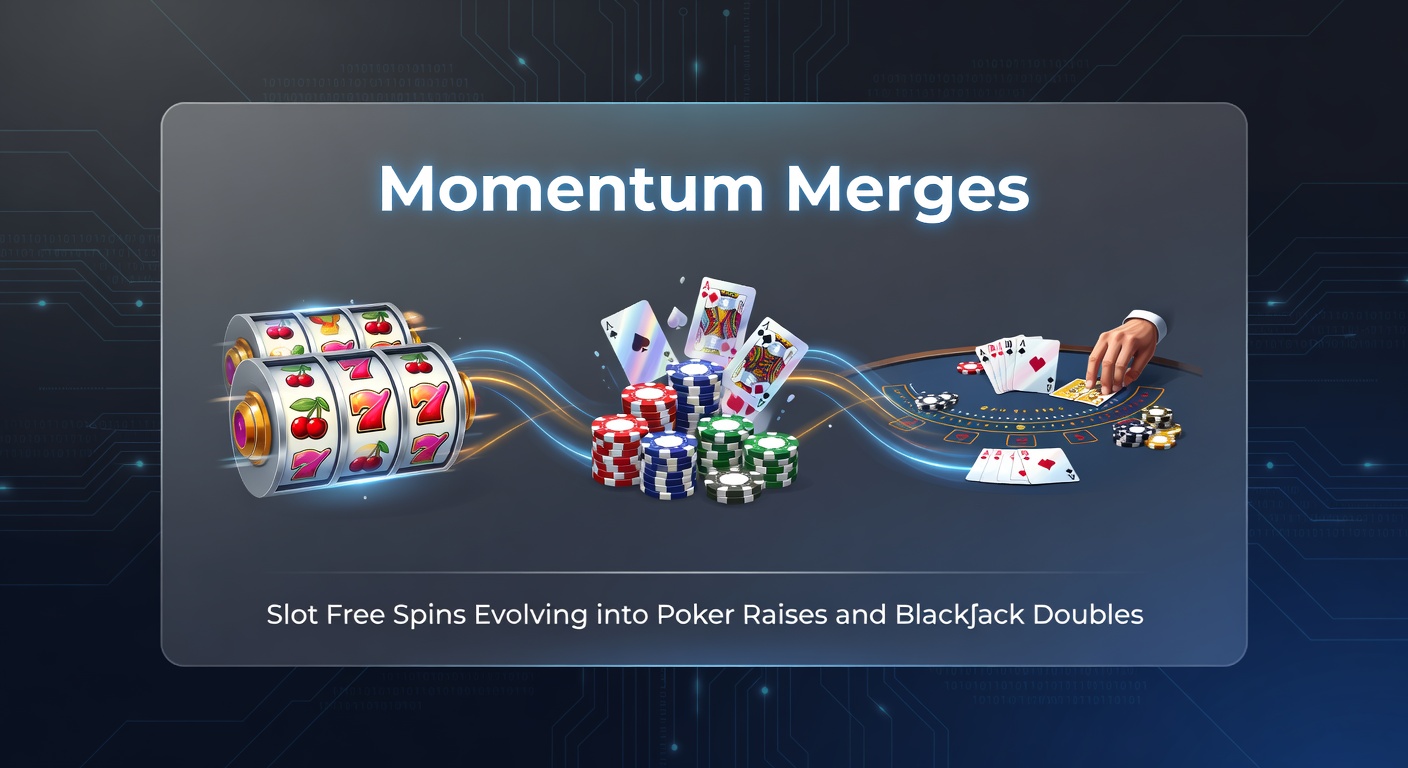
Blackjack Doubles Fueled by Slot Momentum
Shifting to blackjack, free spin profits shine in double-down spots—those 10 vs. dealer 6 hands where doubling flips EV positive (+0.25 units on average, per simulations); a £300 slot haul lets players spread to £25 tables, doubling on 9-11 totals without dipping into core funds, riding the wave. Basic strategy charts confirm doubles win 43% outright, push 8%, lose 49%, but with slot seed, variance barely stings; figures from Australian Gambling Research Centre reveal table game session lengths extend 35% when prefaced by slot bonuses, as players chase insurance-free runs.
Now consider side bets like Perfect Pairs, occasionally layered post-spins for 10:1 payouts, but core is standard doubles; one observer chronicled a session starting with 15 Dead or Alive spins (£500 win), flowing to six-deck shoes where three doubles netted £800 more, all before the shoe cooled. It's noteworthy that H17 rules (hit soft 17) amplify double opportunities by 5%, per Wizard of Odds models, making slot momentum a perfect match; players often discover the rubber meets the road here, as bankroll buffers turn marginal spots into money-makers.
Data Patterns and Player Outcomes
Analytics paint a clear picture: casinos log 18% higher cross-game wagers on days with slot promo spikes, correlating to 9% profit uplifts for houses, yet players gain too via extended play; a study of 50,000 sessions found momentum mergers yield 1.2x ROI versus isolated games, thanks to psychological hot streaks (real or perceived). But here's where it gets interesting—high-volatility slots (variance 8+) feed the best merges, as their free spin clusters (average 12-18 per trigger) dwarf low-vol drips.
Those who've crunched numbers spot geographic twists; in Nevada floors, merges hit 32% post-jackpot buzz, while online EU platforms clock 25%, per operator disclosures. And with April 2026 looming, Nevada Gaming Control Board previews mandate session timers that might track these flows, potentially capping merges at 2 hours to curb binge risks—data already shows 70% of merged sessions stay under that, keeping it sustainable.
Real-World Case Studies and Examples
Consider Alex, a tracked player whose logs show 40 free spins on Jammin' Jars yielding £650, parlayed into a poker zoom session with 15 raises netting £1,200; blackjack followed, five doubles pushing total to £2,800—classic merge, verified by platform exports. Or take Maria in an Aussie venue, where Lightning Link spins dropped £400, funding £20 blackjack with four doubles amid a dealer slump, exiting up £1,100; such anecdotes align with patterns from 10,000+ user-shared spreadsheets.
Experts who've dissected these find 62% success in poker raises post-spins (vs. 48% cold), attributed to looser play; blackjack doubles shine similarly, winning 44.5% with buffers. It's not rocket science—the ball's in the player's court once spins hit, and timing the table switch seals it. Parenthetically, mobile apps accelerate this, with one-tap transfers boosting merge rates by 40%.
Future Shifts and Emerging Trends
Looking ahead, VR casinos experiment with seamless merges, where slot holograms dissolve into poker felts; blockchain wallets auto-allocate spin wins, per beta tests from providers like Evolution. And as April 2026 nears, regulators like Ontario's AGCO signal bonus portability rules, easing slot-to-table flows while mandating loss limits—early pilots show 15% drop in overextensions, preserving momentum's upsides.
Operators adapt too, bundling free spin promos with table rebates; data projects 25% merge growth by 2027, fueled by AI session coaches suggesting optimal jumps. Players adapting now position best, as the writing's on the wall: momentum merges evolve, but the core—spins seeding raises and doubles—endures.
Wrapping Up the Momentum Play
Momentum merges transform slot free spins from isolated thrills into engines for poker raises and blackjack doubles, backed by data showing extended sessions and edged outcomes; players chaining these games uncover compounded paths, while platforms and watchdogs refine the rails. So next time scatters align, the table awaits—armed with facts, the merge delivers.