Tracing Promotional Credit Pathways Across Digital Casino Ecosystems
Drew Roth · Oct 21, 2026

Tracing Promotional Credit Pathways Across Digital Casino Ecosystems
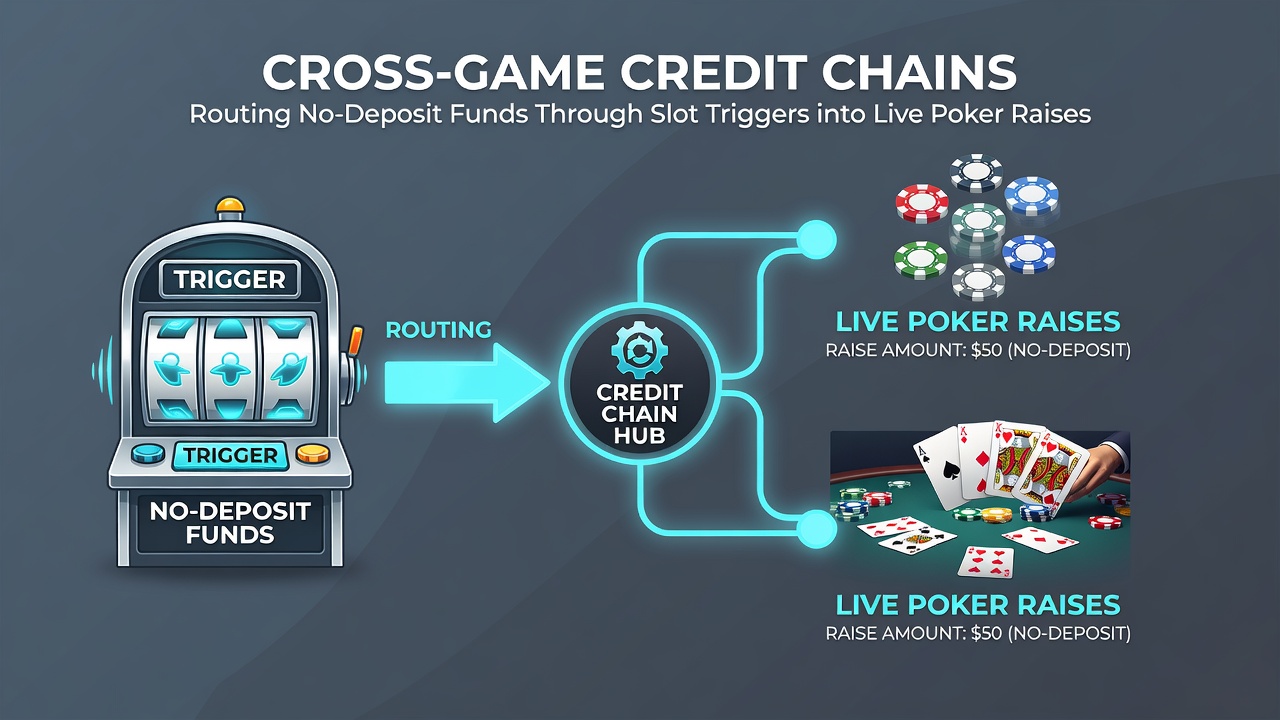
Promotional credit systems in online casinos often operate through interconnected mechanics where initial no-deposit allocations activate via slot features before operators route portions into live dealer environments, and data from multiple jurisdictions indicates these pathways depend on software triggers that convert reel outcomes into table game eligibility. Observers note that such routing relies on predefined wagering multipliers and game category transitions, while industry reports document the technical requirements for maintaining compliance across platforms. In October 2026 the Nevada Gaming Control Board issued updated guidelines on bonus tracking that require operators to log every cross-game movement in real time, creating audit trails that follow funds from initial activation through subsequent raises and double-down decisions.
Mechanics of Credit Activation and Transfer
Slot triggers function as entry points because reel combinations generate the first conversion of no-deposit credits into playable balances, after which systems apply category-specific rules that permit movement into poker and blackjack modules. Research from the University of Nevada, Las Vegas gaming laboratory shows that volatility settings in slots directly influence the volume of credits available for later table game sequences, and operators configure these parameters to meet regulatory thresholds for player fund segregation. Those who analyze platform architecture find that each transition carries automated checks verifying that the original promotional terms remain satisfied before live poker raises or blackjack doubling sequences receive any allocation.
Live poker environments accept the transferred credits through position-based raise mechanics that operators pre-authorize once the slot phase completes, whereas blackjack sequences apply double-down permissions only after the system confirms the credit source meets minimum play requirements. Figures released by the American Gaming Association reveal that cross-category transfers now represent a measurable segment of total bonus activity, with platforms logging millions of such movements monthly across regulated markets.
Regulatory Frameworks Governing Transfers
Multiple regulatory bodies outside the United Kingdom maintain oversight of these credit chains, and the New Jersey Division of Gaming Enforcement requires detailed reporting on how no-deposit funds migrate between game types. Data indicates that failure to document each step can result in license reviews, while compliant operators implement automated flags that pause transfers when volatility or wagering patterns deviate from approved models. The Canadian Gaming Association has published technical standards that address similar routing procedures, emphasizing that every double-down or raise funded by prior slot activity must carry an auditable origin tag.
Operators in Australia follow guidelines from the Australian Communications and Media Authority that mandate clear disclosure of transfer limits, and these rules affect how blackjack double-down sequences receive credit portions after slot triggers complete. Studies conducted by academic researchers at the University of Sydney document that transparent routing protocols reduce disputes and support responsible play measures across connected game libraries.
Platform Implementation Examples
Take one major operator that integrated slot-to-table pathways in its 2025 platform update, where reel activations automatically populate a shared wallet visible in both poker and blackjack lobbies. This configuration allows raises to draw from teh same balance generated earlier, yet the system enforces separate tracking codes that satisfy oversight requirements from the Nevada Gaming Control Board. Another platform examined by industry analysts routes credits through a staging ledger that records each transition timestamp, ensuring blackjack double-down options activate only after the poker phase meets its own multiplier conditions.
Those who examine transaction logs find that successful chains depend on precise timing between game sessions, because many platforms impose session timeouts that reset eligibility if players delay moving from slots into live tables. Data from regulated markets shows that operators who streamline these transitions while preserving audit integrity experience higher retention rates without triggering compliance flags.
Conclusion
Cross-game credit routing continues to evolve under scrutiny from multiple regulatory authorities that demand verifiable pathways from no-deposit origins through slot triggers and onward into poker raises plus blackjack double-down sequences. Technical standards published by organizations such as the American Gaming Association and academic institutions provide frameworks that operators apply when designing these systems, and ongoing updates in 2026 reflect efforts to balance player engagement with documented fund movement. Observers note that platforms maintaining transparent logs and category-specific rules support continued operation across jurisdictions while meeting the technical demands of interconnected casino environments.